
DENTAL FILLINGS
Repairing Teeth Gently and Comfortably
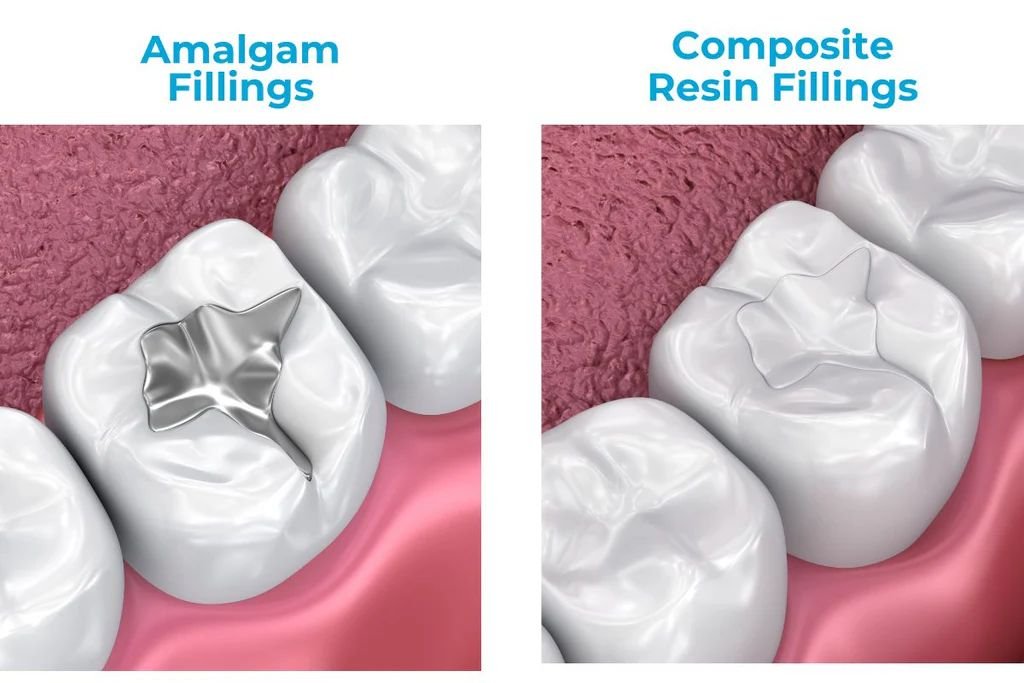
Dental fillings are a common way to repair teeth that have been affected by decay or minor damage.
Modern fillings are designed to look natural, feel comfortable, and help protect your tooth long-term.
What Is a Dental Filling?
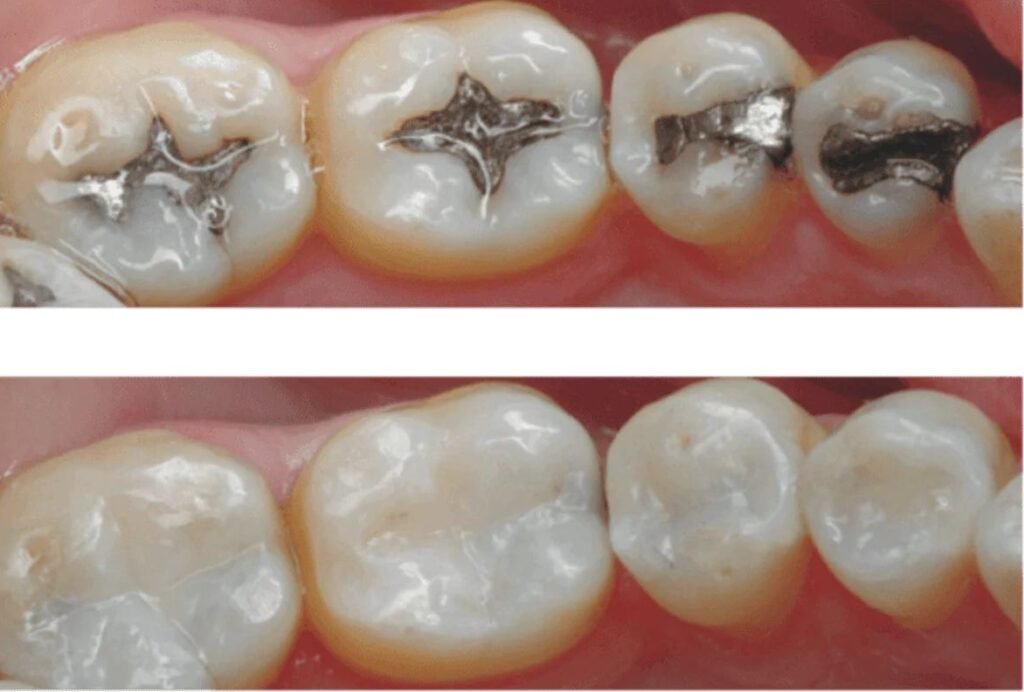
A dental filling is used to repair a tooth that has been damaged by decay or wear.
The damaged area is carefully cleaned and filled to restore the tooth’s shape and function.
The aim is to keep as much of your natural tooth as possible.
- You may need a filling if:
A cavity (hole) has developed in a tooth - An old filling has worn or broken
- A tooth is chipped or worn
- You have sensitivity or discomfort when eating
Types of Dental Fillings
We offer different types of fillings depending on your needs.
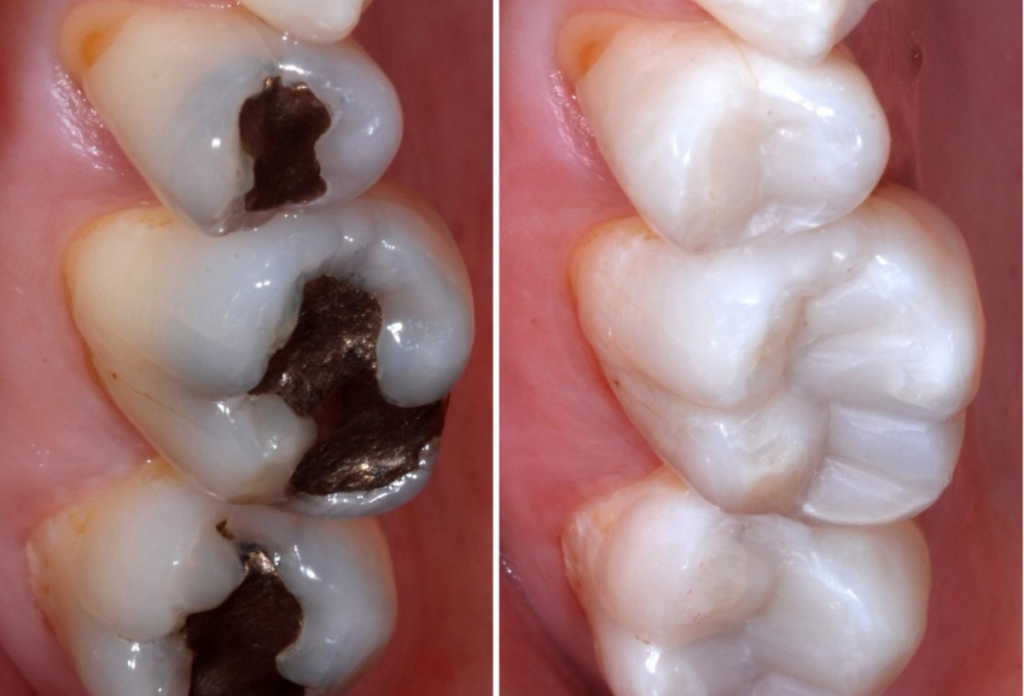
Tooth-Coloured (White) Fillings
These are designed to blend in with your natural tooth colour and are commonly used for visible areas.
Patients choose white fillings because they:
- Look natural
- Bond directly to the tooth
- Restore strength and shape
- Other Filling Options
In some cases, other materials may be recommended depending on the tooth and clinical needs.
We will explain all suitable options before treatment.
What Happens After a Filling
What Happens After a Filling?
After your filling:
- The tooth should feel comfortable once the numbness wears off
- Mild sensitivity can occur temporarily
- You can usually eat and drink as normal shortly afterwards
- We will give you clear aftercare advice before you leave.
Does Getting a Filling Hurt?
- Fillings are usually carried out with local anaesthetic to keep you comfortable.
Most patients find the procedure straightforward and similar to routine dental treatment.
We always check you are numb and comfortable before starting
NHS and Private Dental Fillings
- Dental fillings may be available on the NHS when clinically appropriate.
Private fillings offer more choice in materials and appointment flexibility. - We will always explain your options and any costs before treatment begins
Can Fillings Be Avoided?
Good oral hygiene and regular check-ups can help reduce the need for fillings.
Regular hygiene visits and routine dental care allow us to spot and treat problems early.
Book a Dental Filling Appointment
If you’ve been advised you need a filling, or you’re experiencing sensitivity or discomfort, we’re here to help.
honest advice, we’re happy to help.