
Now accepting NHS & private patients Now accepting NHS & private patients Now accepting NHS & private patients Now accepting NHS & private patients Now accepting NHS & private patients Now accepting NHS & private patients Now accepting NHS & private patients Now accepting NHS & private patients Now accepting NHS & private patients Now accepting NHS & private patients
Care / Precision / Confidence / Glenrothes / Fife /
Treatment
Veneers
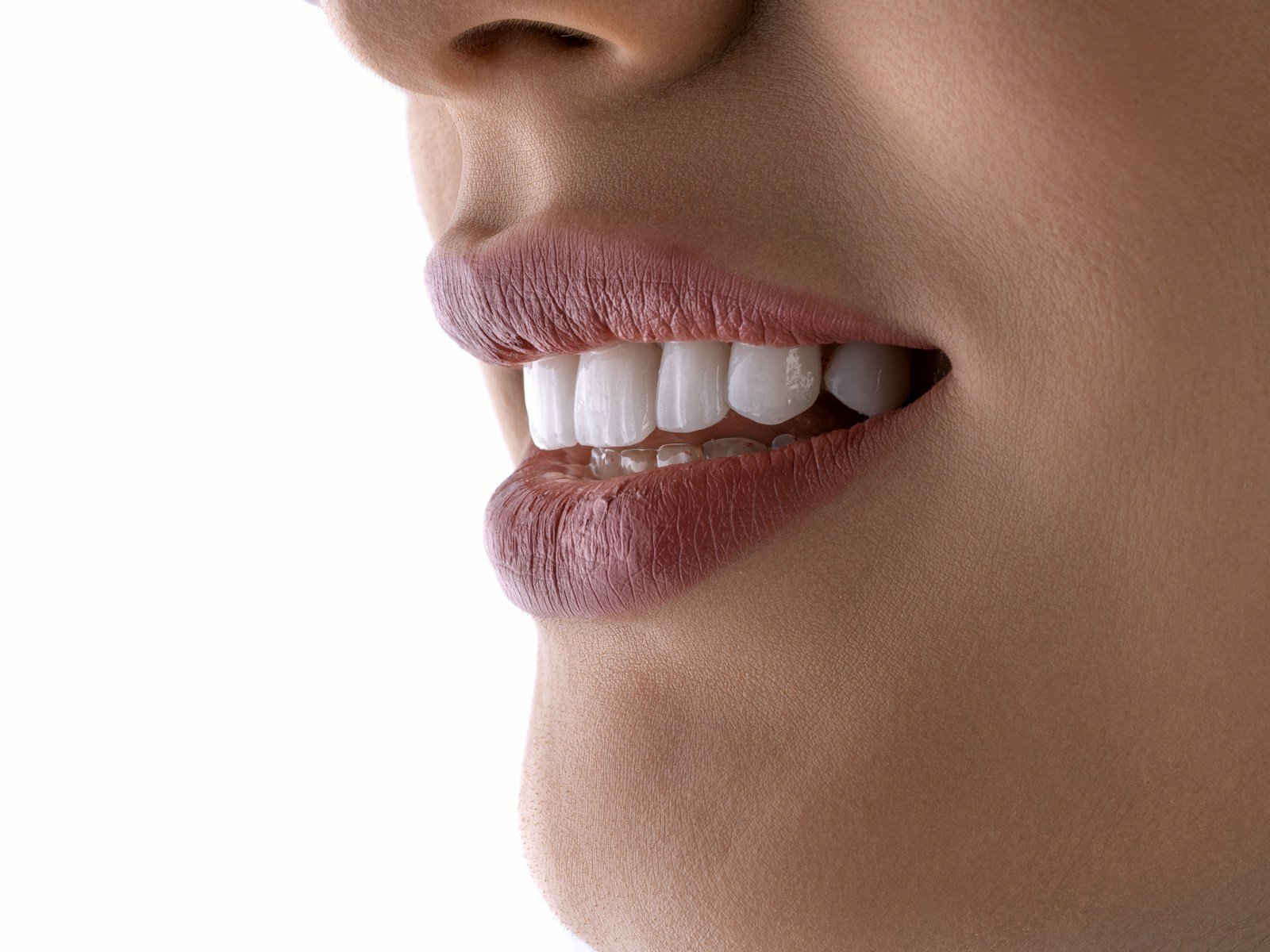
A thin porcelain facing bonded to the front of a tooth to change its shape or colour. It removes healthy enamel for good.
What it costs hereFrom £575Priced for each tooth. A single veneer is hard to match to the teeth beside it, so most people have six to ten — that is £3,450 to £5,750. what that covers
GDHTreatment
01
In short
Veneers in short
A thin porcelain facing bonded to the front of a tooth.
Healthy enamel is removed to fit one, and it does not grow back.
From £575 a tooth. Most people have six to ten, so £3,450 to £5,750.
We will talk about bonding and straightening first. Both take less tooth.
Visits
Three: assessment, preparation, fitting
How long it takes
Two to three weeks at the laboratory in between
Anaesthetic
Local, at the preparation appointment
How long it lasts
Often ten years or more. Some fail earlier.
Can it be undone
No. The tooth needs a veneer or a crown from then on.
On the NHS
Private only where the reason is cosmetic
02
Treatment
What it is
A veneer is a thin facing of porcelain. It is bonded to the front of a tooth. It can change the shape of that tooth, its colour, or how straight it looks.
Before anything else, here is the most important fact on this page. To fit a porcelain veneer we have to remove a layer of healthy enamel from the front of the tooth. Enamel does not grow back. That change cannot be undone.
Once a tooth has been prepared for a veneer, it will need a veneer or a crown for the rest of your life. Veneers do not last forever. Every time one is replaced, a little more tooth is usually lost.
That is not a reason never to have veneers. It is a reason to be sure first. We will always talk about composite bonding and teeth straightening before we talk about veneers, because those usually remove less tooth, or none at all.
03
Treatment
Is this right for me?
Veneers are a cosmetic treatment. Nobody needs them. They are chosen, not prescribed, and the choice is yours to make slowly.
They may suit you if:
A front tooth is chipped, worn or an odd shape
Your teeth are marked in a way that whitening will not shift
There are small gaps or slight overlaps you dislike
An old bonded filling on a front tooth keeps staining or breaking
We would ask you to wait, or say no, if:
Your gums bleed or are not healthy. That is treated first.
You have any untreated decay.
You clench or grind your teeth and will not wear a guard at night.
You are still growing. Young teeth have a larger nerve inside and are easier to damage.
What bothers you is where the teeth sit rather than their shape.
You are not sure. Being unsure is a good reason to stop and think.
Things we will discuss with you first:
Composite bonding. Tooth-coloured material is added to the tooth. Often little or no enamel is removed. It stains and chips more than porcelain, but it can be repaired and it does not commit you to anything.
Teeth straightening. This moves the teeth you already have. Nothing is cut away. If the position is the problem, this is usually the answer.
Whitening. This changes colour only. Nothing is removed.
Doing nothing. This is a real option and often the right one. A tooth that does not hurt and is not breaking does not need treating.
We would rather you kept your enamel than spent money you go on to regret.
04
Treatment
What happens, step by step
Plan for at least three visits: an assessment, a preparation appointment and a fitting appointment.
At the assessment we check your gums and every tooth. We take photographs and a mould or a digital scan. We talk about how many teeth are involved and what the finished shape would be.
Whitening has to come first, if you want it. Porcelain will not lighten once it is made. So we whiten your natural teeth first and let the colour settle for about two weeks. Then the veneers are matched to that new shade.
At the first treatment appointment we numb the teeth with a local anaesthetic. We remove a thin layer of enamel from the front, and usually from the biting edge. We then take a mould or a scan and choose the shade with you. That shade is decided now, before the laboratory starts work.
A dental technician then makes your veneers. This usually takes two to three weeks.
In between you wear temporary veneers. They are made of a soft plastic material and they are fragile. They chip, they can come away, and they do not look like the finished work. Do not bite into anything hard with your front teeth. Slide floss out sideways rather than pulling it upwards. Call us if one comes off.
At the fitting appointment we take the temporaries off and clean the teeth. We try the veneers in place with a paste that holds them without sticking, so you can look at them in a mirror. This is the moment to say if you are unhappy with them.
Once you are happy, we bond them on. For several teeth this takes an hour or more. Your gums may be tender for a day or two. The teeth can be sensitive to cold for a few weeks.
05
Treatment
What it costs
Veneers are from £575 per tooth. That covers preparing the tooth, taking the mould or scan, the laboratory fee, and the finished veneer fitted at a second appointment.
Veneers are almost never done one at a time. A single new veneer beside natural teeth can be hard to match, so most people have several so the row is even. That is what decides the real cost, so here is the arithmetic:
Four teeth: from £2,300
Six teeth: from £3,450
Eight teeth: from £4,600
Ten teeth: from £5,750
Eight veneers is around £4,600. Nobody should reach a consultation without that figure in front of them.
Other costs to plan for:
A new patient consultation is from £45.
Whitening beforehand, if you want it, is from £325.
A mouth guard for grinding at night is from £165.
Replacing a veneer years later costs the same as fitting the first one.
Veneers for cosmetic reasons are not available on the NHS. The NHS pays for treatment you clinically need, not for changing how a tooth looks. If a front tooth is broken or decayed there may be an NHS way to restore it, and we will tell you what that is. NHS charges in Scotland are set by the Scottish Government, not by us.
06
Treatment
What could go wrong
Veneers are elective. That makes being straight with you about the downside more important here, not less. Read this section twice.
Healthy enamel is removed and does not come back. This is irreversible. From the day a tooth is prepared, it needs a veneer or a crown on it for the rest of your life.
The nerve inside the tooth can die. Cutting a tooth is a shock to it. Some prepared teeth need root canal treatment later, sometimes years later. That starts at £225 for a front tooth, and the veneer often has to be remade on top.
They chip, crack and come off. Porcelain is hard but brittle at the edges. A chipped veneer usually cannot be repaired neatly and is replaced instead.
The tooth underneath can still decay. The join at the gum line collects plaque. Decay there can cost you the veneer and more tooth with it.
Gums shrink back over the years. That can expose a visible line where the porcelain meets the tooth. It shows more if the tooth underneath is darker than the veneer.
The colour cannot be adjusted once fitted. We cannot lighten or darken porcelain in the mouth. Your natural teeth can also change colour with age, so a match made now can drift apart later.
Sensitivity. Cold sensitivity is common for a few weeks after preparation. For some people it lasts longer.
They will need replacing, probably more than once. Over a normal lifetime, expect to pay for them again. Each replacement removes a little more tooth.
Grinding shortens their life considerably. If you clench or grind, veneers chip sooner. A night guard is not optional in that case.
If a veneer fails badly, the fallback is a crown. A crown covers the whole tooth and removes more of it again. If the tooth cannot take a crown, the next step is losing the tooth.
You may not like the result. Even well-made veneers can look or feel wrong to the person wearing them. We try them in before bonding, but nobody can know exactly how they will settle with your face.
Nobody needs veneers. We would rather talk you out of a set than fit teeth you regret. If we think bonding, straightening or doing nothing would serve you better, we will say so plainly.
07
Treatment
Who does this here
Principal dentist
Registered name
Tien-Yu Chang
GDC number
296929
Qualification
Grado en Odontología, University CEU San Pablo, 2021
Qualified in
Spain
Associate dentist
Registered name
Li Yang Yeh
GDC number
306420
Qualification
Grado en Odontología, University CEU San Pablo, 2021
Qualified in
Spain
Associate dentist
GDC number
329275
Qualification
Grado en Odontología, University CEU San Pablo, 2025
Qualified in
Spain
Associate dentist
Registered name
Chen Liu
GDC number
331071
Qualification
Dr Med Dent, Semmelweis University, 2025
Qualified in
Hungary
Associate dentist
Registered name
Cheng-Tsung Hsu
GDC number
320342
Qualification
Grado en Odontología, CEU Cardenal Herrera University, 2024
Qualified in
Spain
08
Useful answers
Questions people ask
01How long do veneers last?
Many last ten years or more. Some last a good deal longer. Others fail early, and we cannot tell you in advance which yours will be.
It depends on how hard you bite, whether you grind, how healthy your gums are, and how well the edges are kept clean. Plan on replacing them at some point rather than on keeping them for life.
02Does it hurt?
Preparing the teeth is done under local anaesthetic, so you should feel pressure but not sharpness. Tell us if you do and we will add more.
Afterwards the teeth are often sensitive to cold for a few weeks, and your gums can be tender for a day or two around each appointment.
03Can veneers be removed later if I change my mind?
Not in the way most people mean. The tooth underneath has already been cut down, so taking a veneer off leaves a smaller, rougher tooth that looks worse than the one you started with.
It has to be covered again with another veneer or a crown. This is the question to settle before treatment, not after.
04Should I have veneers or composite bonding?
Bonding adds material to the tooth. A veneer replaces part of it. At this practice both start at £575 per tooth, so price is not usually what decides it.
Bonding removes little or no enamel, can be repaired, and can be taken off again. It stains and chips more, and it needs more upkeep. Porcelain holds its colour better and lasts longer, but you pay for that with enamel you cannot get back. We start most conversations with bonding for that reason.
05Will they look natural?
That depends on the shade, the shape and how many teeth are done. A very white, very even set of teeth tends to look obviously done, so we aim for something that suits your face and your age.
You see them in a mirror at the try-in stage before anything is bonded. Say then if they are not what you pictured.
06What happens when they wear out?
We take the old veneer off, tidy up the tooth beneath it, and have a new one made. You pay the price in force at that time.
Sometimes the tooth has lost too much structure to hold a veneer by then. In that case the replacement is a crown, which removes more of the tooth again.
07Can I have veneers on the NHS?
Not for cosmetic reasons. The NHS pays for treatment you clinically need, and changing the look of a healthy tooth is not that.
If a front tooth is broken, decayed or badly worn, there may be an NHS filling or crown that would restore it. We will tell you honestly whether that applies to you before you spend anything privately.
08How many veneers will I need?
It depends on how many teeth show when you talk and smile. One chipped tooth may need one veneer. If you want an even row, it is commonly six to ten upper teeth.
Fewer is usually better, because fewer teeth get cut. We work the number out with you from photographs, and we will tell you the full cost before you decide.
09
Treatment
Next step
The first step is an assessment. It is from £45, and it does not commit you to anything.
We will check your gums and teeth, take photographs, and ask what it is you want to change. Often the answer turns out not to be veneers. If bonding, straightening or whitening would get you close with less tooth removed, we will say so.
Call us to book an assessment, and take your time over the decision afterwards.
Or call us on 01592 348674 if you would rather talk it through first.
Keep exploring
Helpful next pages.
01
Local guideYour local dentist in Glenrothes
02
TreatmentDental implants in Glenrothes & Fife
03
TreatmentUrgent dental care in Glenrothes
Here in Glenrothes
Ready for a clearer next step?
Contact reception about registration, current appointment availability or the right first visit for your concern.
Glenrothes Dental House2 Huntsmans Court
Glenrothes, Fife
KY7 6SX
Glenrothes, Fife
KY7 6SX